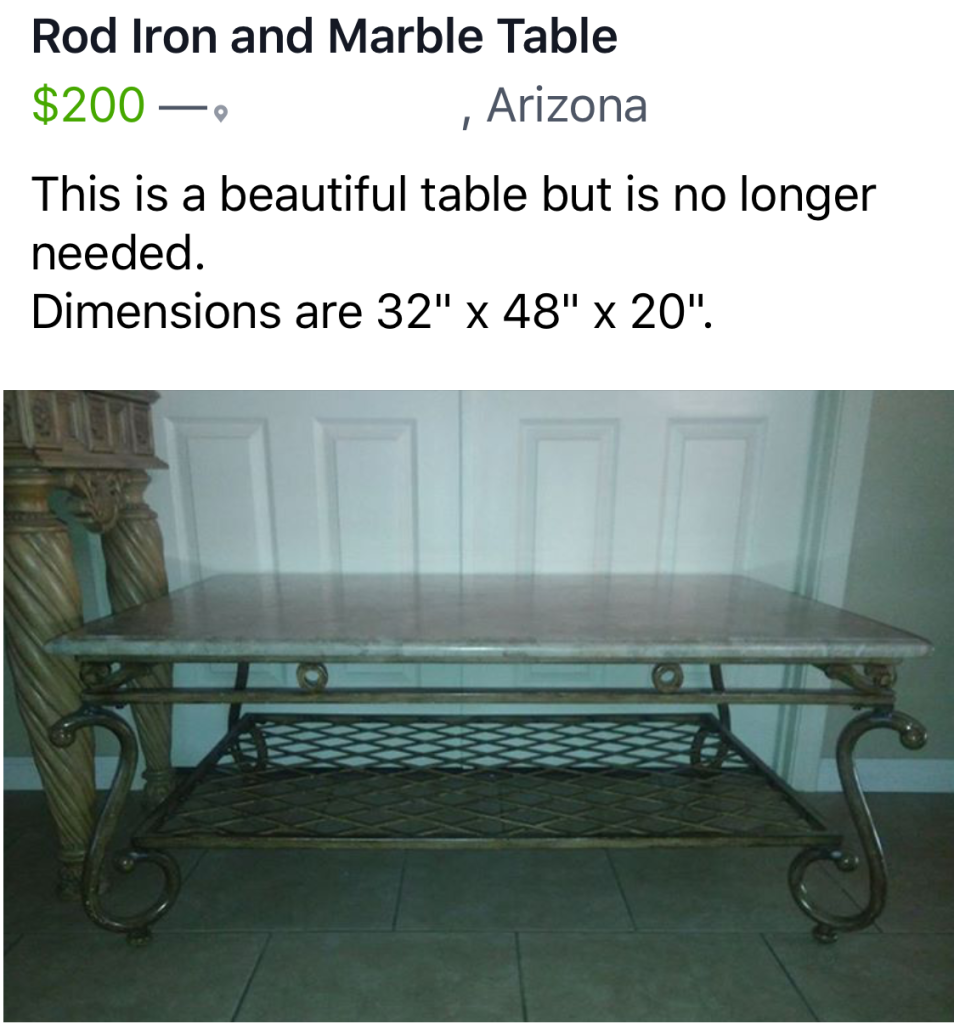
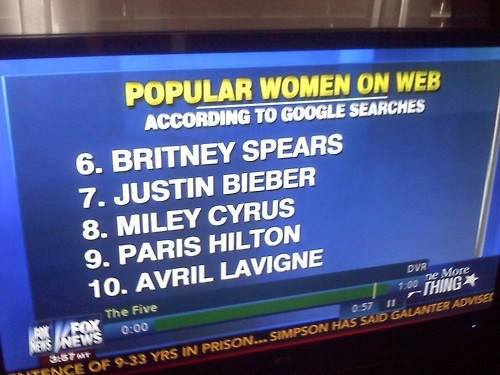
Once again my local news station comes through.

 The Associated Press Stylebook (AP Stylebook) is used by journalists as their style guide for writing just as The Gregg Reference Manual (a NALS resource for its certification exams), the Chicago Manual of Style, and Strunk & White are used as style guides in law offices and other businesses. The AP Stylebook is regularly updated to reflect new acceptable writing styles. On June 1, 2016, the latest AP Stylebook will be released and includes these updates:
It appears that the change catching the most attention is no longer being required to capitalize internet and web.
Other interesting changes include:
While most law firms and the legal field in general does not subscribe to the AP Stylebook style, I think it is a sign of other potential changes to be made to the English language in other style guides. I will actually start using the new lowercased internet and web as I agree with the AP Stylebook that these terms have become generic in today’s language. Just remember that anyone taking a NALS certification exam must continue to capitalize them until The Gregg Reference Manual makes the same change.
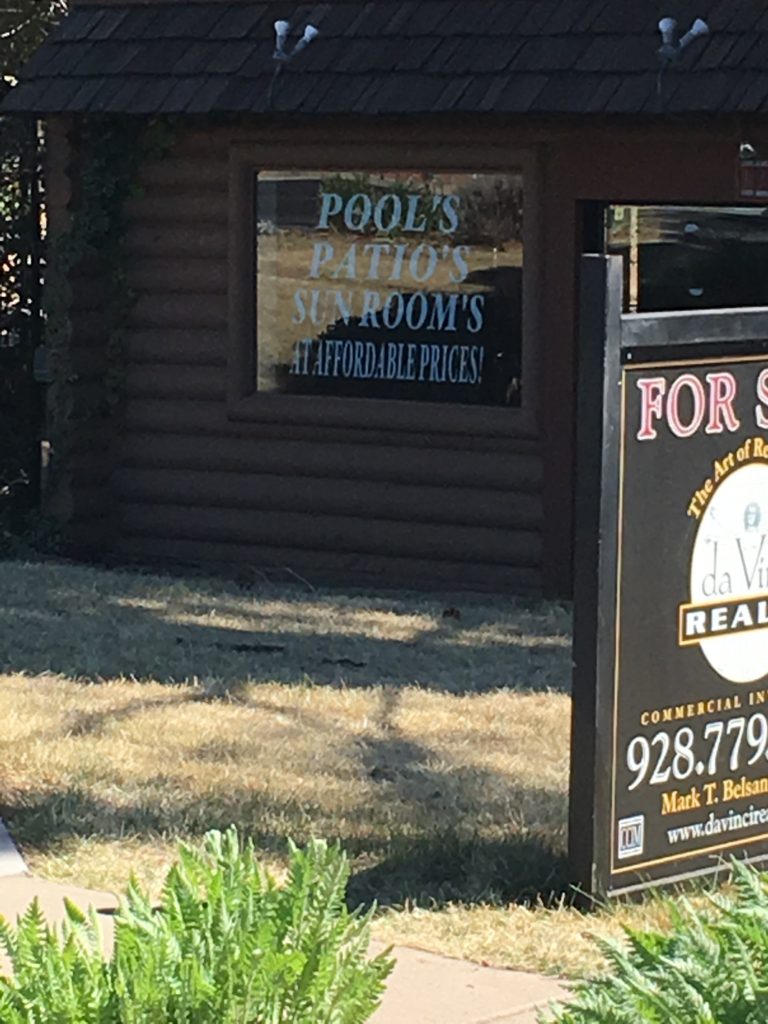
I took this picture on a recent trip to Sedona. Consistency is a good thing, but this kind of error just makes me shake my head.
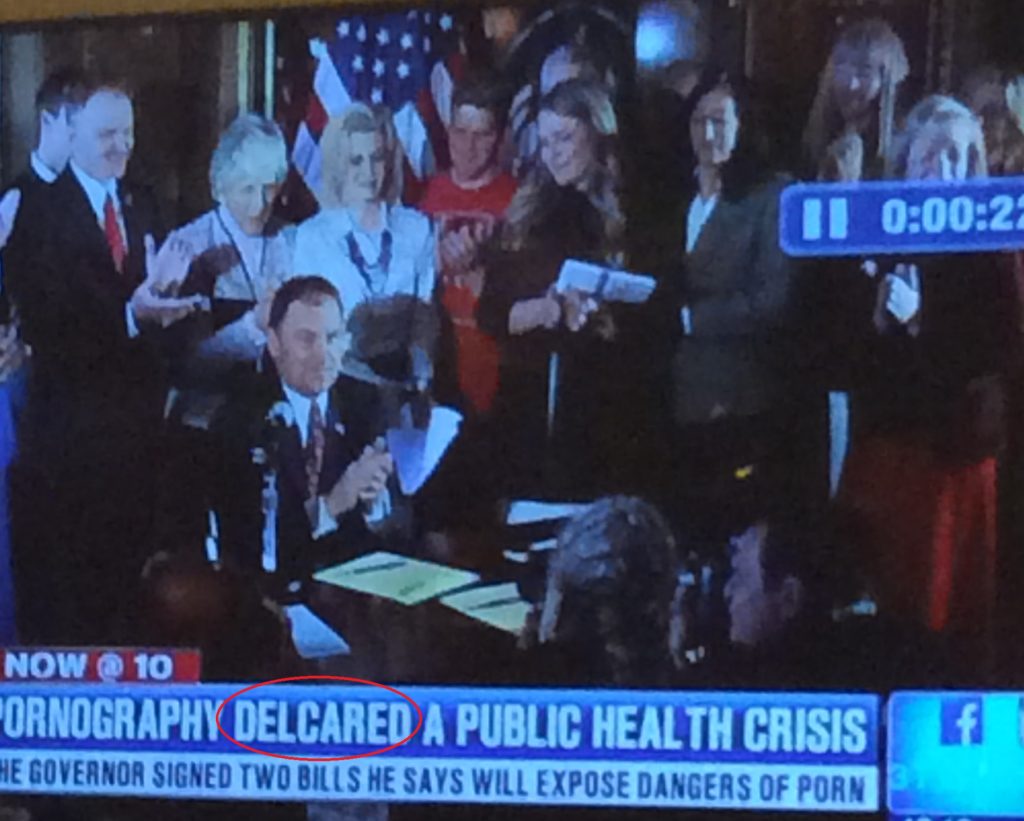
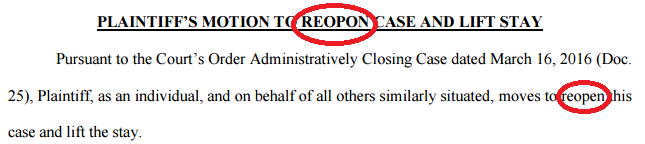
We received this pleading in our office recently. This is a perfect example of settings in Microsoft Word’s spell check making a huge difference. Check your settings to see if “Ignore Words in UPPERCASE” is checked and uncheck it right now! Headings, titles of pleadings, and other documents include lots of uppercase words and if you’re ignoring them, there could be errors you will miss. At least this person got it right once.
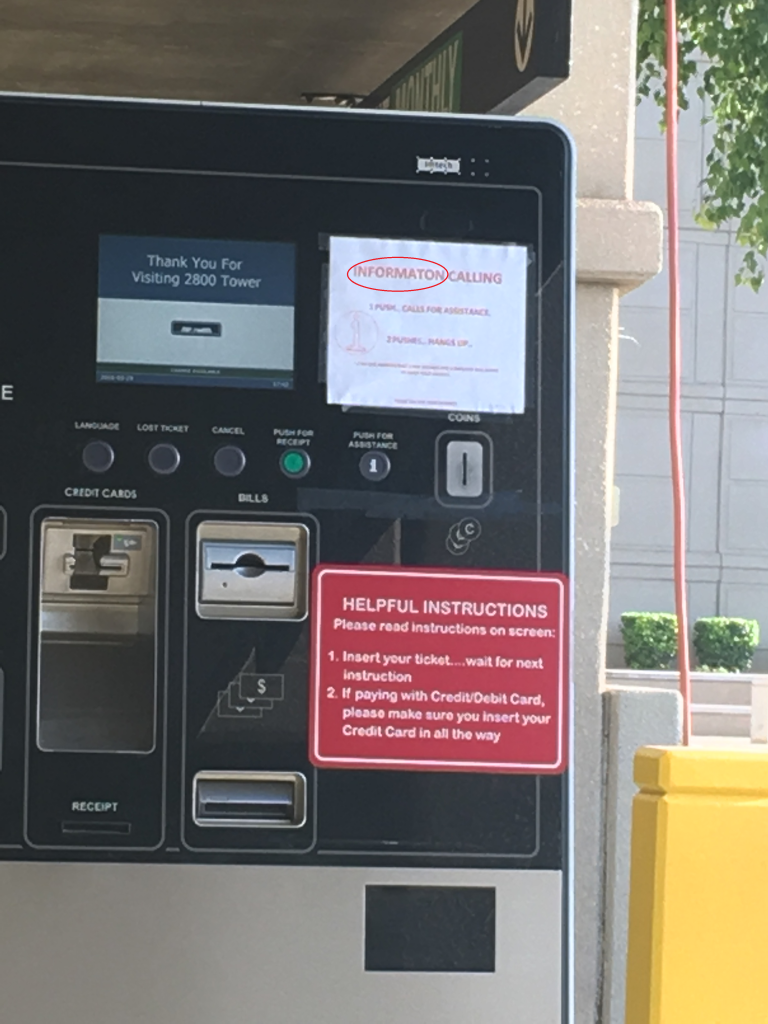
This sign is in my parking garage at the visitor exit. I took the picture when I was leaving from a lane over, so I couldn’t check the small print. But the largest print was enough to make me shake my head.
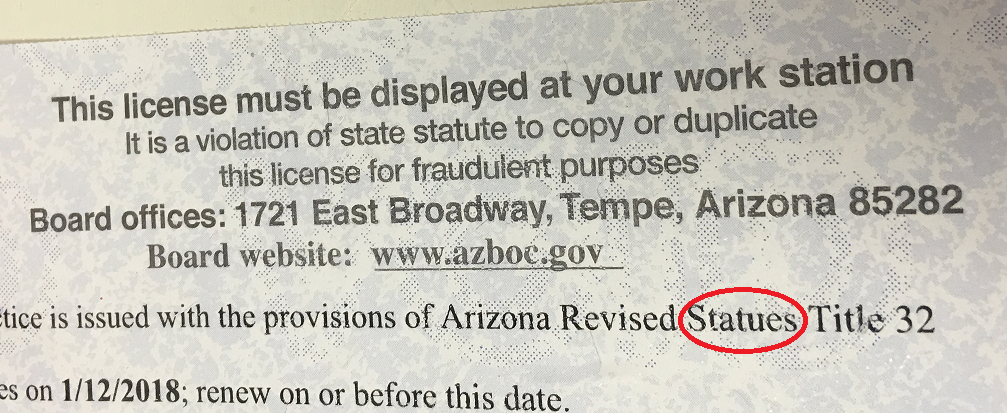
I swear I’ve looked at this license on my nail tech’s desk a hundred times, but just last weekend I finally saw IT. The mistake that I make on occasion, but in proofreading, I find it and make the correction. I do see it quite a bit because it is not something spell check would catch. Apparently, the State of Arizona spell checker didn’t catch it either. And just as an aside, I do not consider this a “fraudulent” purpose–it is an educational purpose. But I do wonder what the Arizona Revised Statues look like. What part of the statue was revised? What are they modeled after? Where are they located? What do you think an Arizona Revised Statue would look like?
You know that a grammar error irritates the heck out of you when you bring a resolution before the State House to change instances commonly used on the floor of the House of an incorrect word–physical–to the correct word–fiscal. Missouri Representative Tracy McCreery did just that. 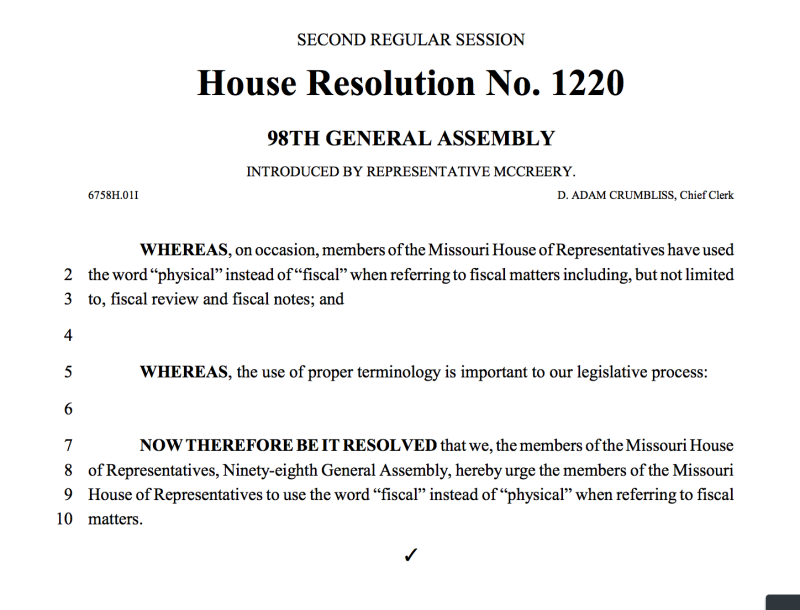
These two words have VERY different meanings. According to dictionary.com:
Obviously on the floor of the House when they are discussing the state’s finances, fiscal is the appropriate word. If they were talking about school physical education issues, it could be either–if it is a money issue, it would still be fiscal issues with the physical education program, and if it were just about the schools’ physical education program itself it would be physical. Although it seems that perhaps an email could have accomplished the same thing, I’ve got to hand it to Rep. McCreery for making a statement for proper grammar usage.
I saw this in an article posted on Facebook recently and it made me giggle, so I’m hoping it does the same for you. There is more to proofreading than spelling and punctuation.
 Follow