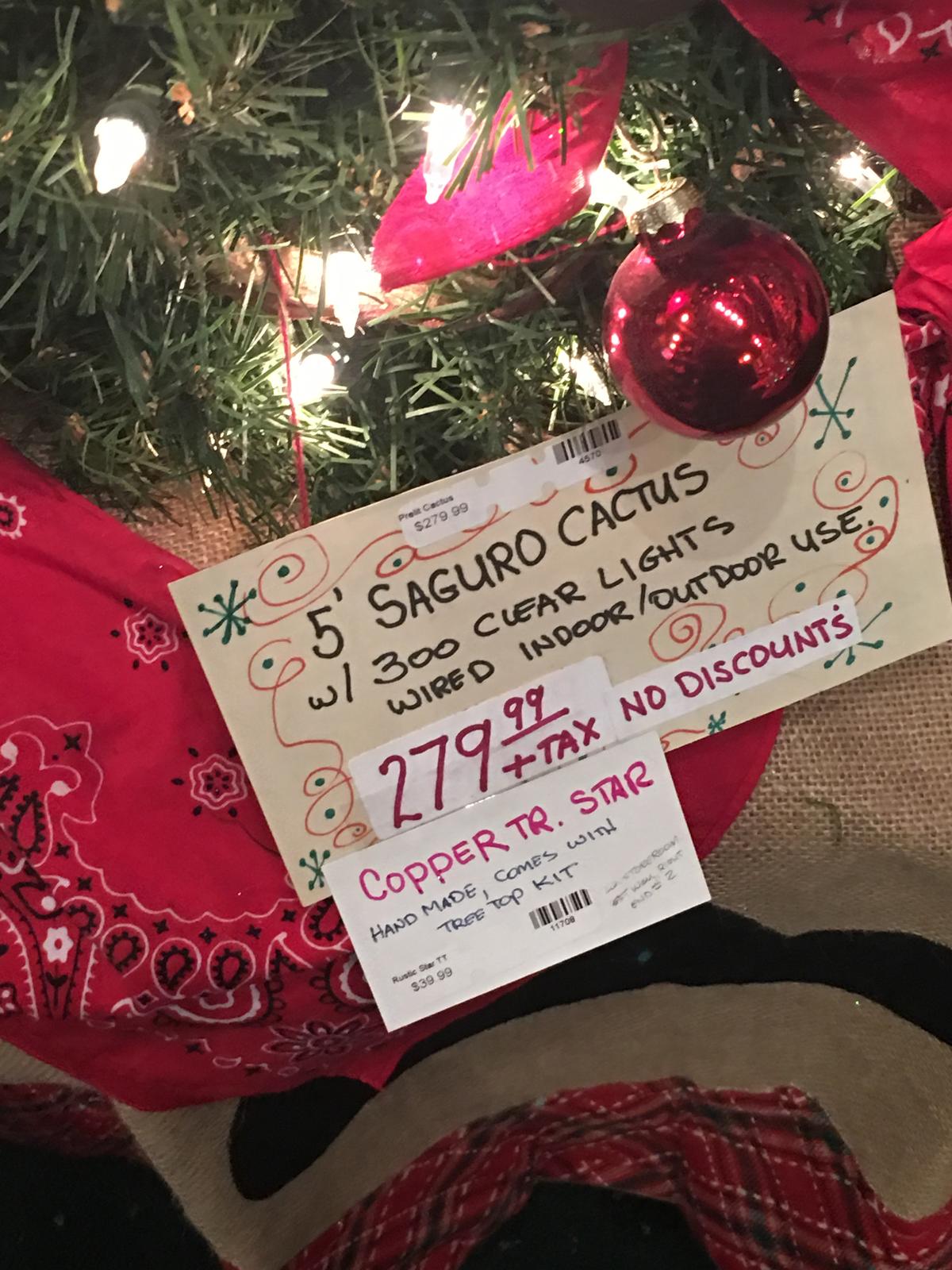
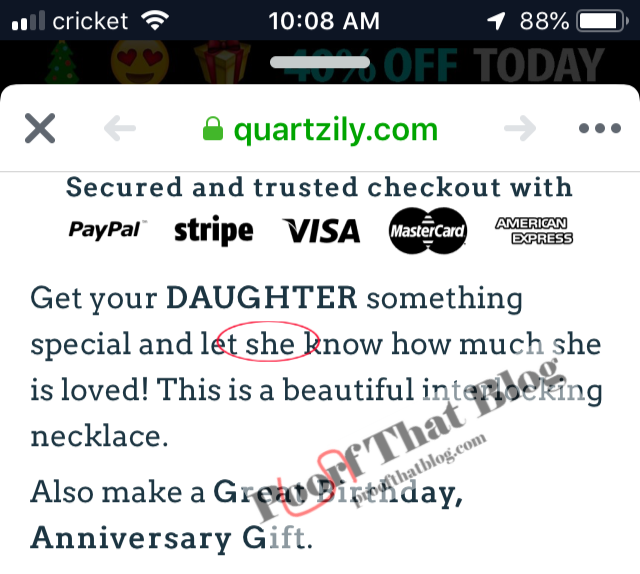
I wondered if this was another commercial venture of the Kardashian/West clan, but it just looks like a small mistake.


I wondered if this was another commercial venture of the Kardashian/West clan, but it just looks like a small mistake.
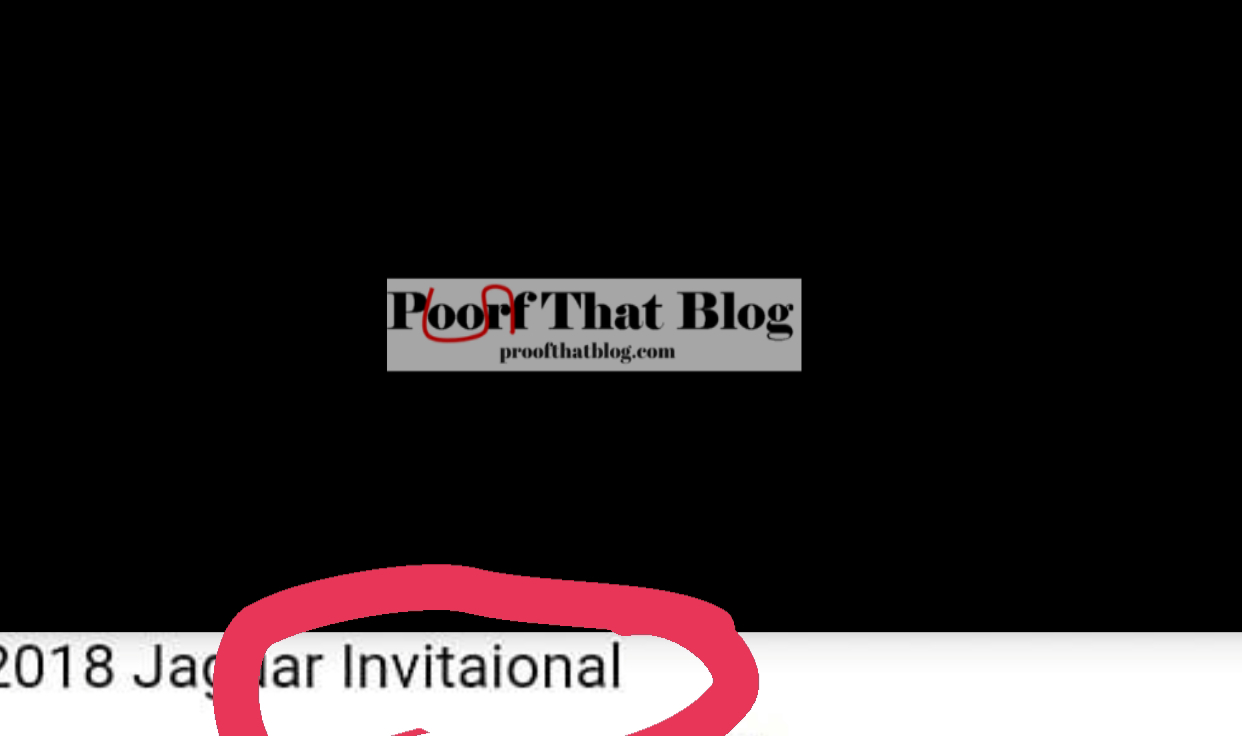
My grandson was in a wrestling tournament this weekend and his dad posted the bracket and this little error caught my eye.
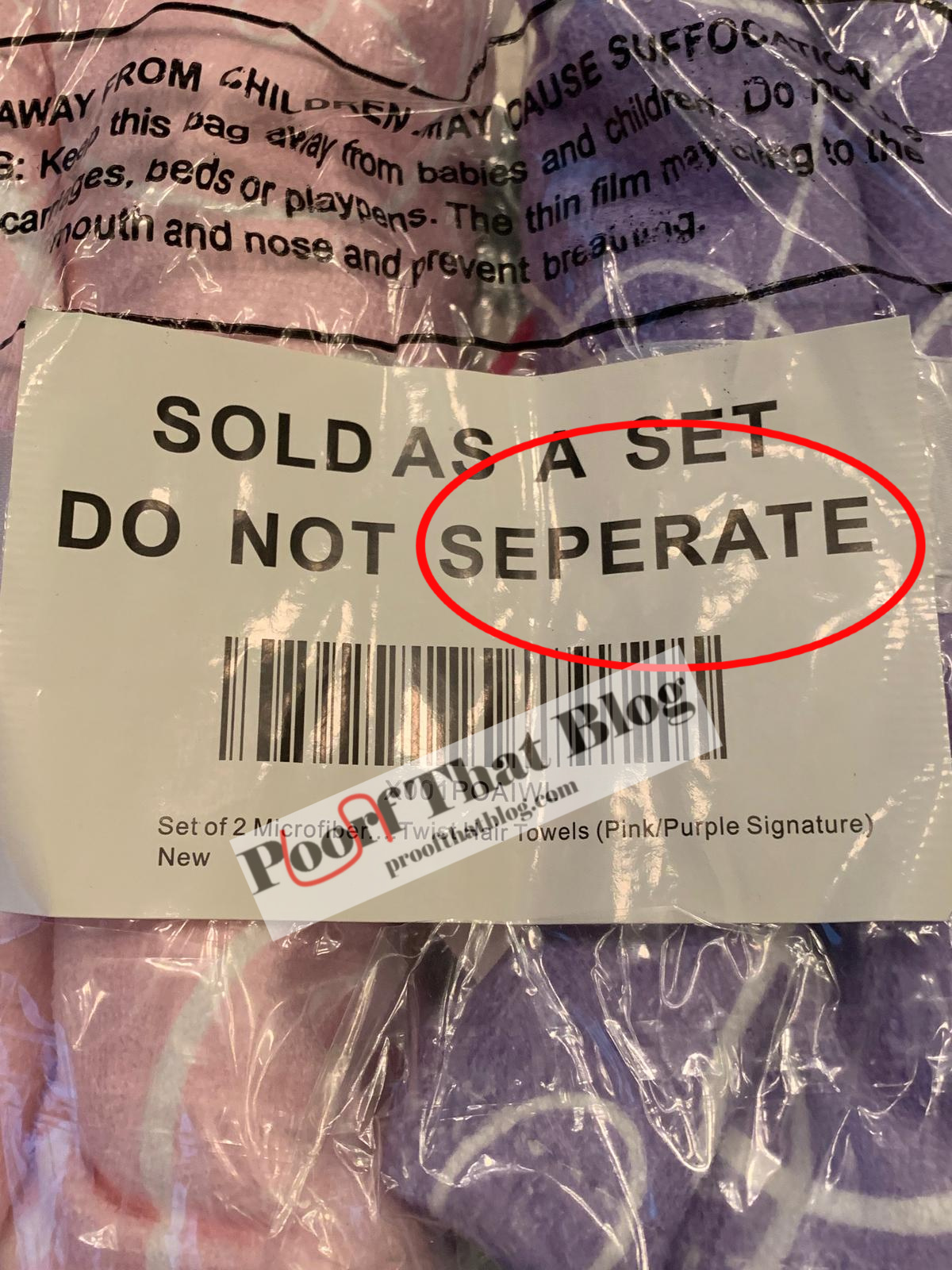
This was on the packaging of a recent purchase. I even did a Google search to make sure it wasn’t a new word, but the definition I found said: “Separate is often misspelled as seperate, a word that has no meaning and is simply a misspelling.”
My daughter sent this to me from a CVS ad. I think they may be trying for a play on words, but I don’t think that works either. At least I’m giving them the benefit of the doubt that someone there didn’t just make a really dumb mistake.

 Since some people will be sending out holiday cards and/or letters soon (if they haven’t already), I thought it was time to rerun a blog post about making last names plural and possessive. If you are sending cards out for your whole family, please pay attention to this.
A reader asked me to address possessives with a proper name. I mentioned it in an article early on (see Apostrophail!), but we will delve into it here.
The first rule–the most important thing to remember when working with surnames (a person’s last name)–is do not change a person’s name. You can’t add an apostrophe before an “s” when the surname ends in “s.” For instance, do not make the name “Andrews” possessive by putting the apostrophe between the “w” and the “s.” That is changing the spelling of Andrews. A person’s name is the most personal thing they have. Don’t mess that up! So here are some tips for making surnames plural and possessive.
To make most surnames plural, you add an “s.”
That means more than one Smith went to the party. Where the surname ends in s, x, ch, sh, or z, you should add es to make the name plural.
However, if adding es makes the name hard to pronounce, just use the s.
As for possessives, to make most surnames possessive, add an apostrophe and an “s.”
For these surnames that are plural and possessive, make them plural by adding an “s” and then add an apostrophe to make them possessive.
Where surnames end in “s,” to make them possessive, pronounce the word. If you say the extra “s,” you add apostrophe and “s.”
You would pronounce it “Joneses,” so you add the apostrophe and “s.” Where the surname ends in “s” and making it plural adds an extra syllable that makes it awkward to pronounce, add only the apostrophe.
You would not pronounce it “Andrewses,” so you only add the apostrophe. Where you are talking about a surname that ends in “s” and you want it plural and possessive, make it plural first and then follow the rules on making it possessive.
You make Jones plural by adding “es” because it ends in “s,” but adding apostrophe and “s” after that would make it difficult to pronounce (Joneseses) so you just add the apostrophe.
Again, the main thing to remember is not to change the basic spelling of a person’s name. Start with their name spelled correctly, and then figure out how to make it plural and/or possessive.
Hopefully this is helpful. Don’t upset a person by misspelling their name. Possessives and plurals aren’t difficult if you think about the base word you are trying to change.
I couldn’t resist this Black Friday advice. Seriously! They can spell “inconvenience” correctly, but can’t spell “exact”?
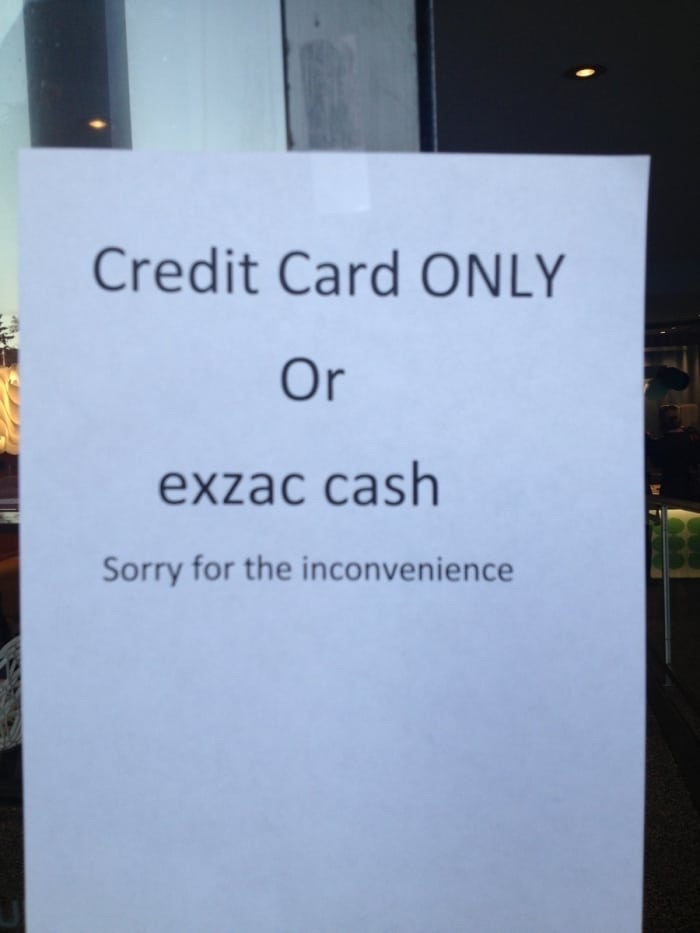
 Here is an article that was posted on November 28, 2013, that is still appropriate today. Happy Thanksgiving!
Thinking about Thanksgiving here in the United States got me thinking about the names of holidays and grammar rules. For instance, if you use Eve or Day with the name of a holiday, i.e., Thanksgiving Day, you capitalize day. However, if you were to say “the day before Thanksgiving,” day would not be capitalized. Religious holidays are also capitalized
Even some “invented” holidays are capitalized
Is happy capitalized when used with a holiday? If you exclaim “Happy Thanksgiving!” then it is, but if you use it in a regular sentence “I wish you all a happy Thanksgiving,” then it is not.
Generally, the seasons of the year are not capitalized unless it is part of a proper name.
When using seasons to describe the time of year, remember that seasons are reversed in the Northern and Southern Hemispheres. When it is summer in the U.S., it is winter in most of South America and Australia. In that case, it is clearer to say “the first three months of the year,” or “the last quarter of 2014.”
As for possessives with the word “season,” the phrase Season’s greetings! is possessive because you are referring to holidays that happen only during one season—winter. Possessives with names of holidays are usually singular; however, where the holiday is plural, the apostrophe is after the plural word:
The official holiday name wins out over plurals and possessives, so you may just have to look it up to be positive you are correct.
I wish you all a happy Thanksgiving and know that when I count my blessings, the people who read my blog faithfully, those who stumble across it, and those who cheer me on are near the top of my list. Thank you!
 Follow