
My news station comes through again. Apparently they have a different program or person proofreading titles than proofreading subtitles. It is spelled right there.
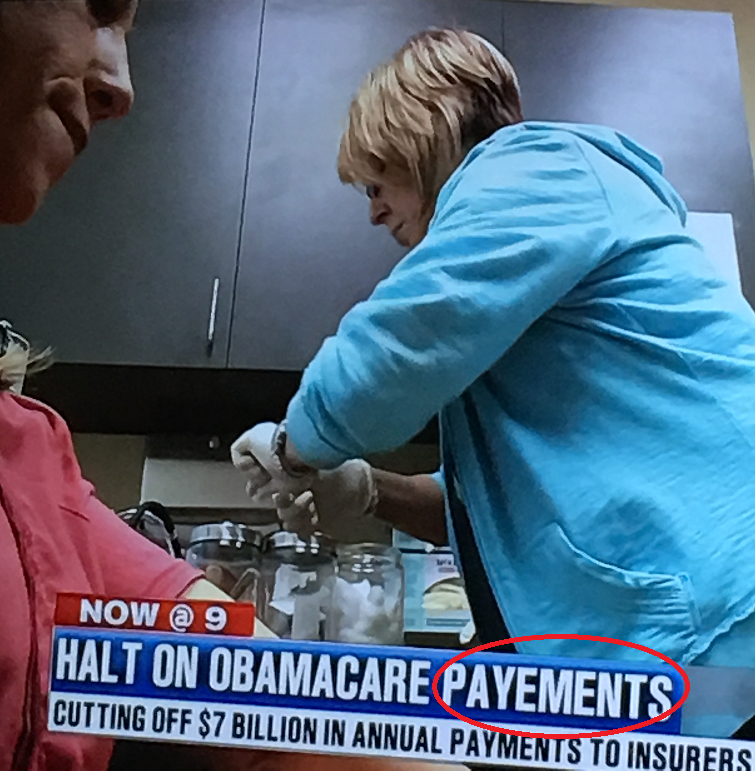

My news station comes through again. Apparently they have a different program or person proofreading titles than proofreading subtitles. It is spelled right there.
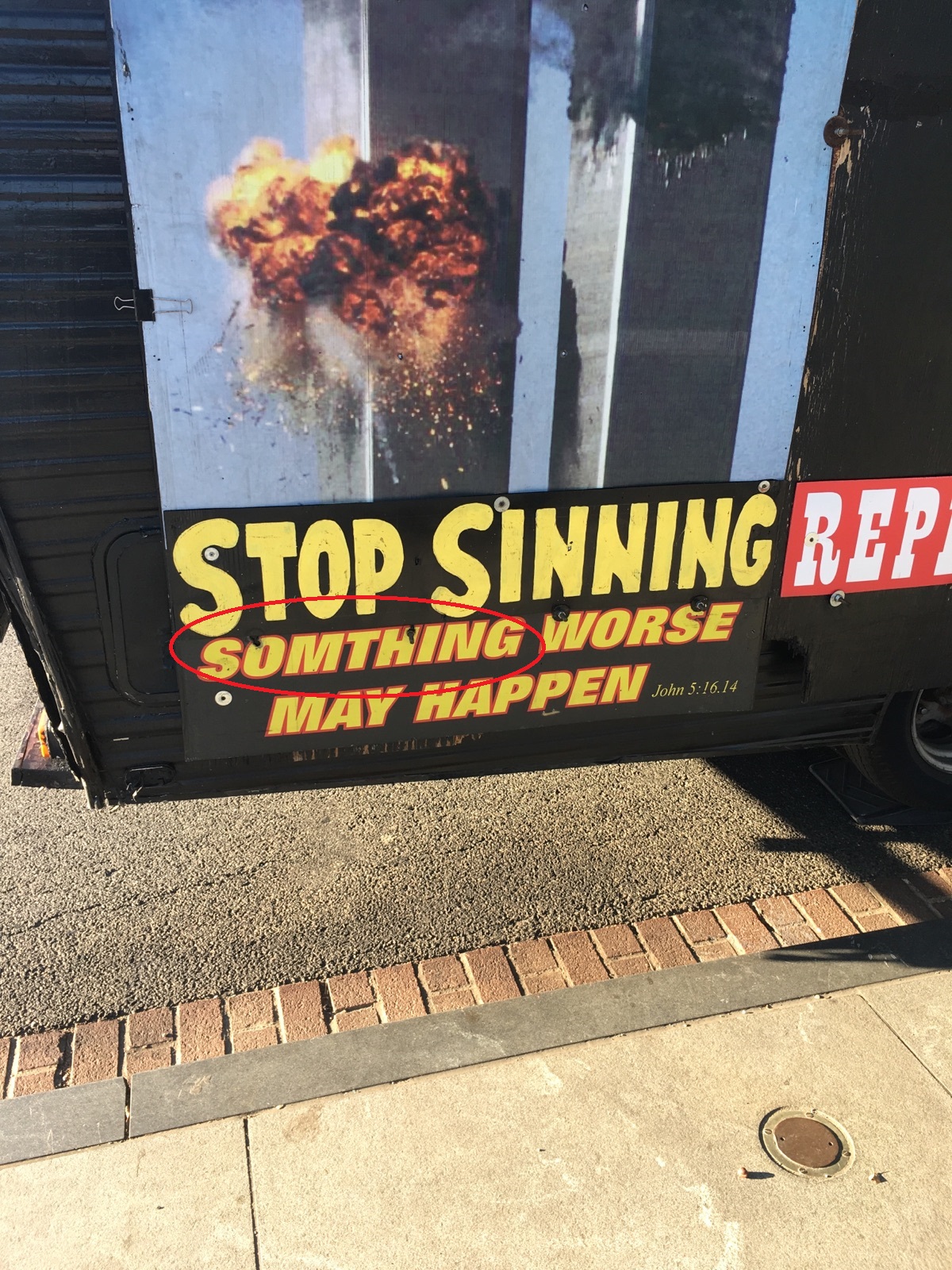
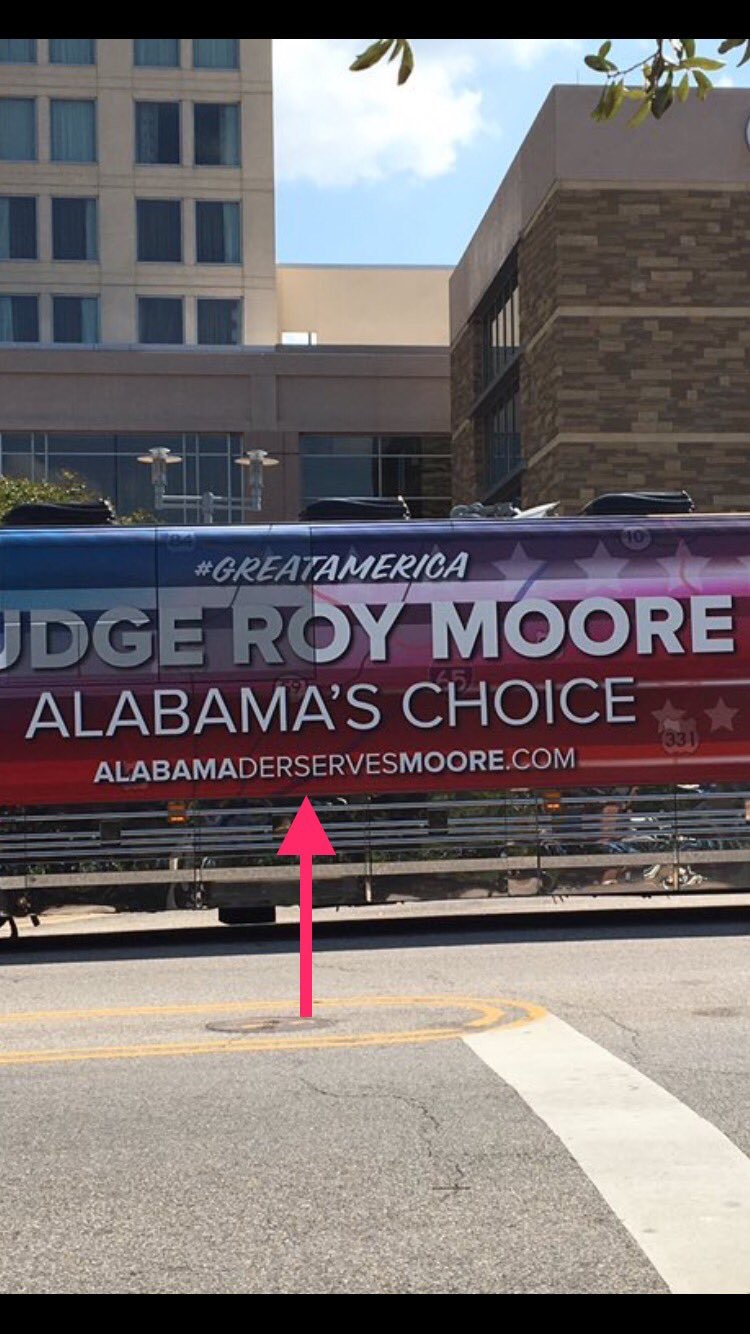
We saw this bus in Washington, D.C. and a friend snapped this picture.
 It’s time for a review of recent blog posts just in case you’ve missed them. We call this Replay Thursday. Here are posts from Proof That proofreading blog and 60 Is The New 60 blog during the past week.
 I had a question during a presentation I was making about whether the phrase “emphasis added” when used with a quotation was treated in the same font as the emphasized language, for example, if the emphasized language is bolded, is the phrase “emphasis added” bolded?
According to the Bluebook Section 5.2(d)(i),
Use a parenthetical clause after the citation to indicate when the source quoted contains an addition of emphasis . . . .
Their example has the emphasized language italicized and the “emphasis added” in parentheses, but not italicized or bolded.
Other information I found shows the following:
She said she would consider “a very short extension of the deadline, but only under the most extraordinary circumstances [emphasis added].”
She said she would consider “a very short extension of the deadline, but only under the most extraordinary circumstances.” (Emphasis added.)
She said she would consider “a very short extension of the deadline, but only under the most extraordinary circumstances” (emphasis added).
The one common thread through all the sources was to be careful not to overuse emphasis in your writing.
I did not find anywhere that the words “emphasis added” should ever be italicized or bolded to match the quoted language being emphasized. My suggestion is that since the Bluebook specifically says to use a parenthetical clause after the quotation and their example shows it added before the quotation’s ending punctuation as in the third example above, that would be the safest way to use it.
It’s time for “Confusing Words of the Week” where I take a set of two or three words that get confused and give you definitions and try to give you a memory trick to help you remember when to use which word. If you have words that confuse you, use the Ask PTB tab on the website or send an email to proofthatblog@gmail.com and they may appear here soon!
This week’s words are:
explicit – clearly expressed
implicit – implied
A tip to help remember:
EXplicit = EXpressed
IMplicit = IMplied
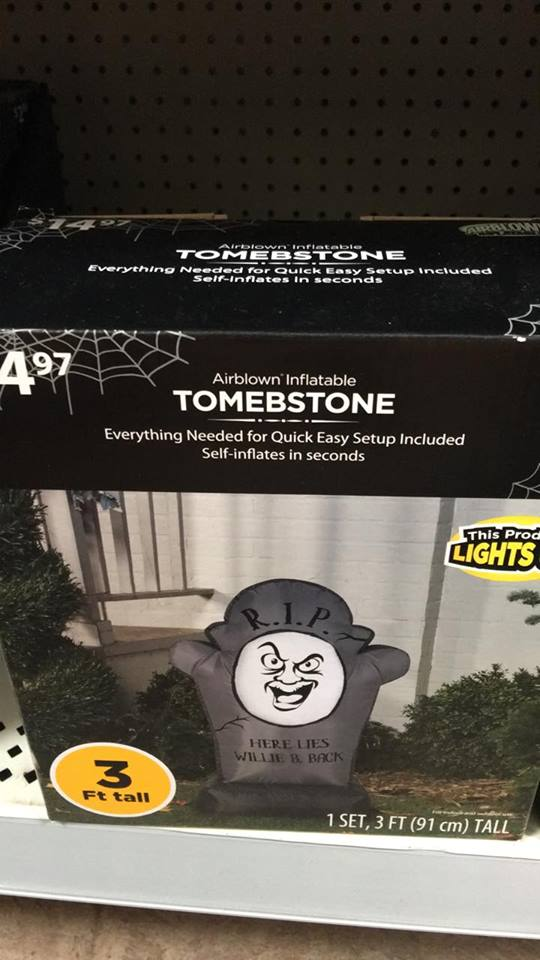
A special holiday edition of Grammar Giggles. My son forwarded this one to me. When you know there’s a “B” in the word, but it’s silent so you’re not sure where it goes. Crazy scary error! Happy Halloween!
I caught this on my news station recently. They did catch (and fix) the error in the same story, but the error should not have happened to begin with. 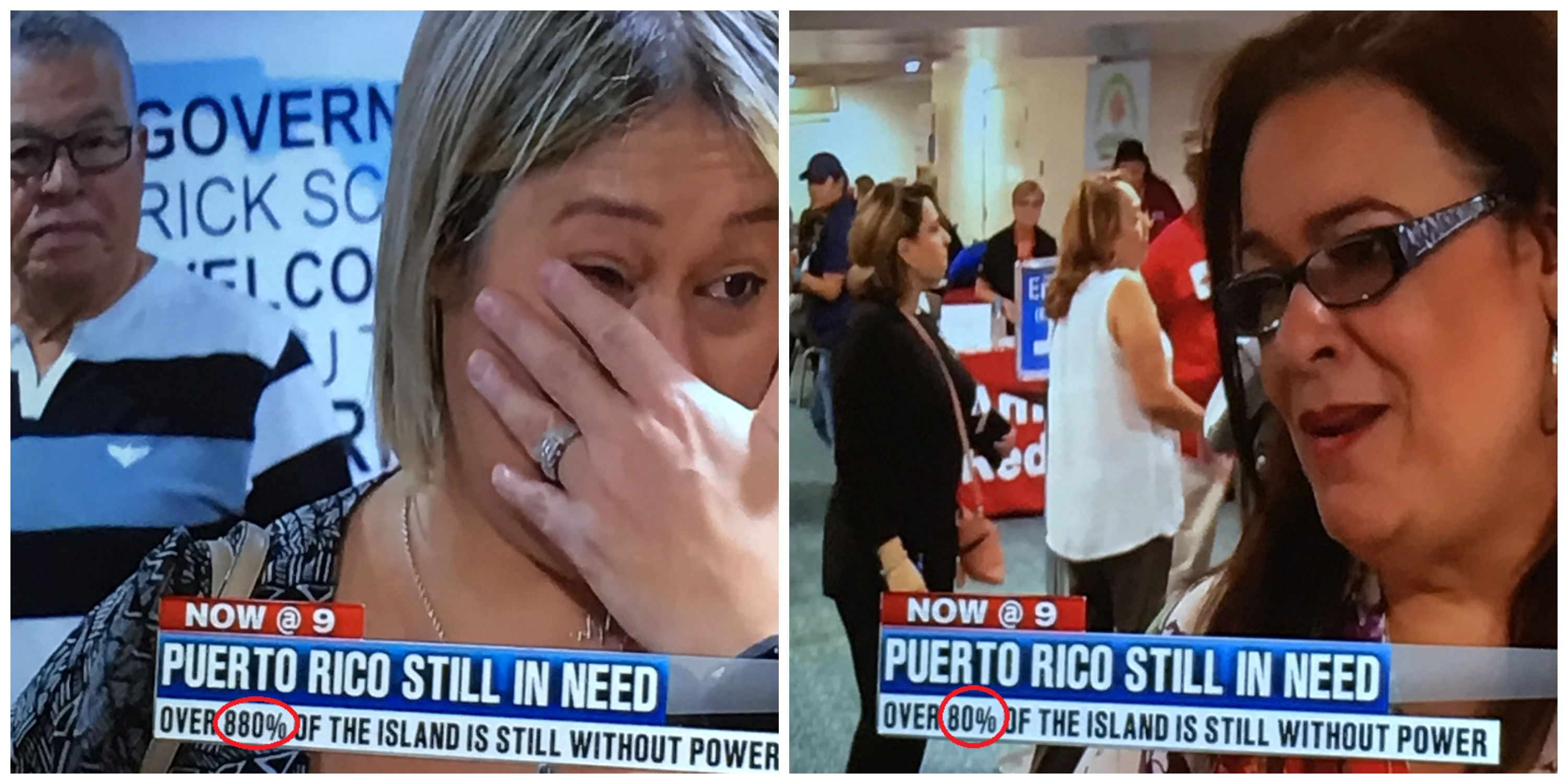
It’s time for “Confusing Wo rds of the Week” where I take a set of two or three words that get confused and give you definitions and try to give you a memory trick to help you remember when to use which word. If you have words that confuse you, use the Ask PTB tab on the website or send an email to proofthatblog@gmail.com and they may appear here soon!
This week’s words are:
Respectably – in a manner worthy of respect
The young boy received an award for acting respectably.
Respectfully – in a courteous manner
While being introduced to the baseball player, the girl acted respectfully and received an autographed baseball in return.
Respectively – in the order indicated
Jane and Joe finished the race at 5:34 and 6:46, respectively.
MEMORY TIPS:
RespectAbly – mAnner worth of respect
RespectFULLy – FULL of respect.
RespectIvely – in the Indicated order
Although we’ve had this same issue TWICE with a television station before, I’m sharing a new Grammar Giggle. This one came from my son, who made me so proud that he knew the difference between “peak” and “peek.” One more time, peak is the top (as in a mountain), peek is to glance quickly or furtively, and pique is resentment or to offend. I’m not aware of any sneak top or sneak resentment, but they are talking about getting a sneaky quick glance at an upcoming show–like a sneak peek!
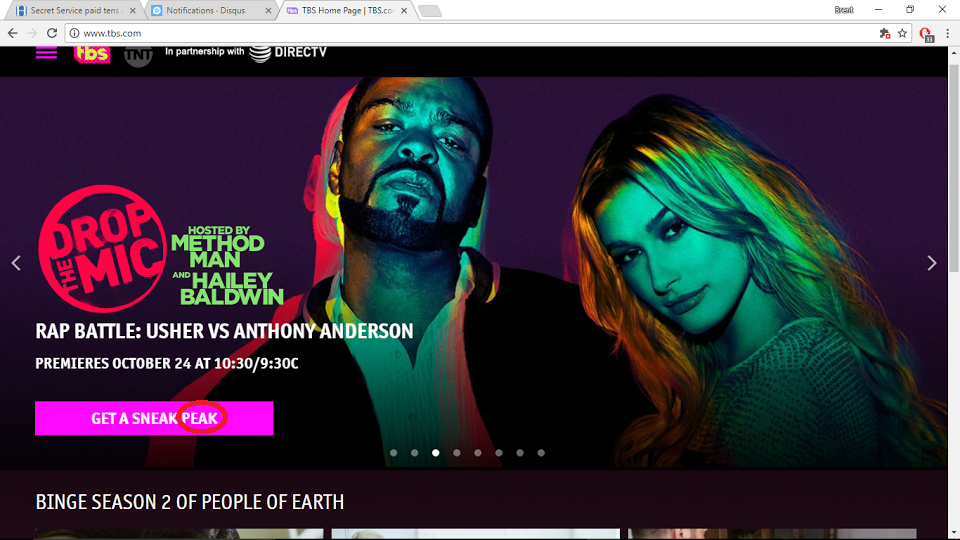
This one showed up on a Facebook post from George Takei and I couldn’t resist. #proofthatblog #grammargiggles
 Follow