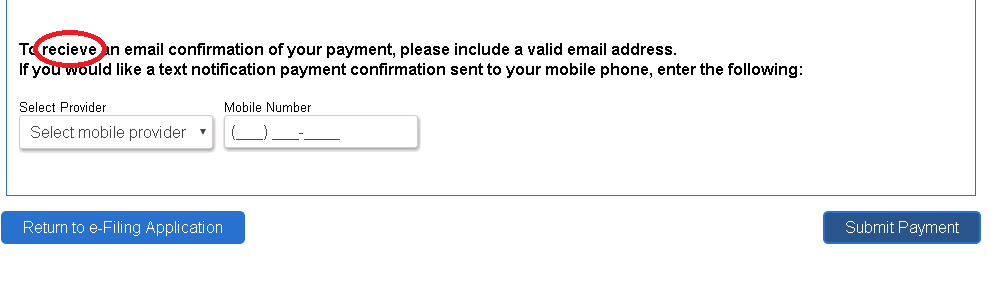
I saw this recently in an Amazon affiliate application. Really, Amazon?
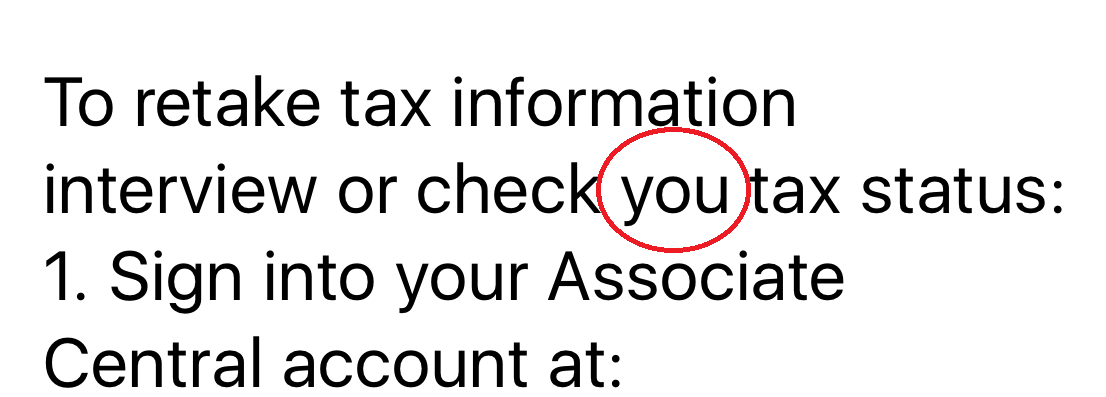

 A reader recently emailed asking about the word “bailiff” and whether it was capitalized when transcribing a legal court hearing. She asked “I understand that when it is used as a title, for example: Bailiff Jones will now take the jury to the jury room. But, during the course of conversation by the Judge – for example: If you (jury) has a question, please write out the question and hand it to our bailiff. Is the word bailiff capitalized then – or is it capitalized throughout the document just as you would for Mr. or Mrs.?”
Based on my review of the Gregg Reference Manual, it would be capitalized when used with the last name as in Bailiff Jones, but I do not think in the Judge’s conversation it would be capitalized. However, in reading Paragraph 313(c), it could be capitalized just because it is a court transcription and the bailiff might be considered an “official of high rank” in that courtroom by the persons reading the transcript.
Paragraph 312(e) says not to capitalize occupational titles preceding names. The way to distinguish occupational titles from official titles is that only official titles can be used with last names alone. for instance, you wouldn’t address a person as “Author Collins,” “Lawyer Jones,” or “Director of Public Marketing Smith,” so they are occupational titles and shouldn’t be capitalized. As a general rule, the Gregg Reference Manual says not to put a title before a person’s name unless it is short and you would actually use the title when you are addressing them aloud.
Other sources say if the title precedes the name, it should be capitalized and if it does not, it should not be. But what about “bailiff”? As above, you would address them as “Bailiff Jones” but in this case the title is not preceding the name–you are just using “bailiff.” According to Gregg Reference Manual:
My gut says not to capitalize it because it is a job title in that courtroom and you are not capitalizing other job titles like court reporter, judicial assistant, etc. when they are used in place of a name.
Do you agree or disagree? Comment below.
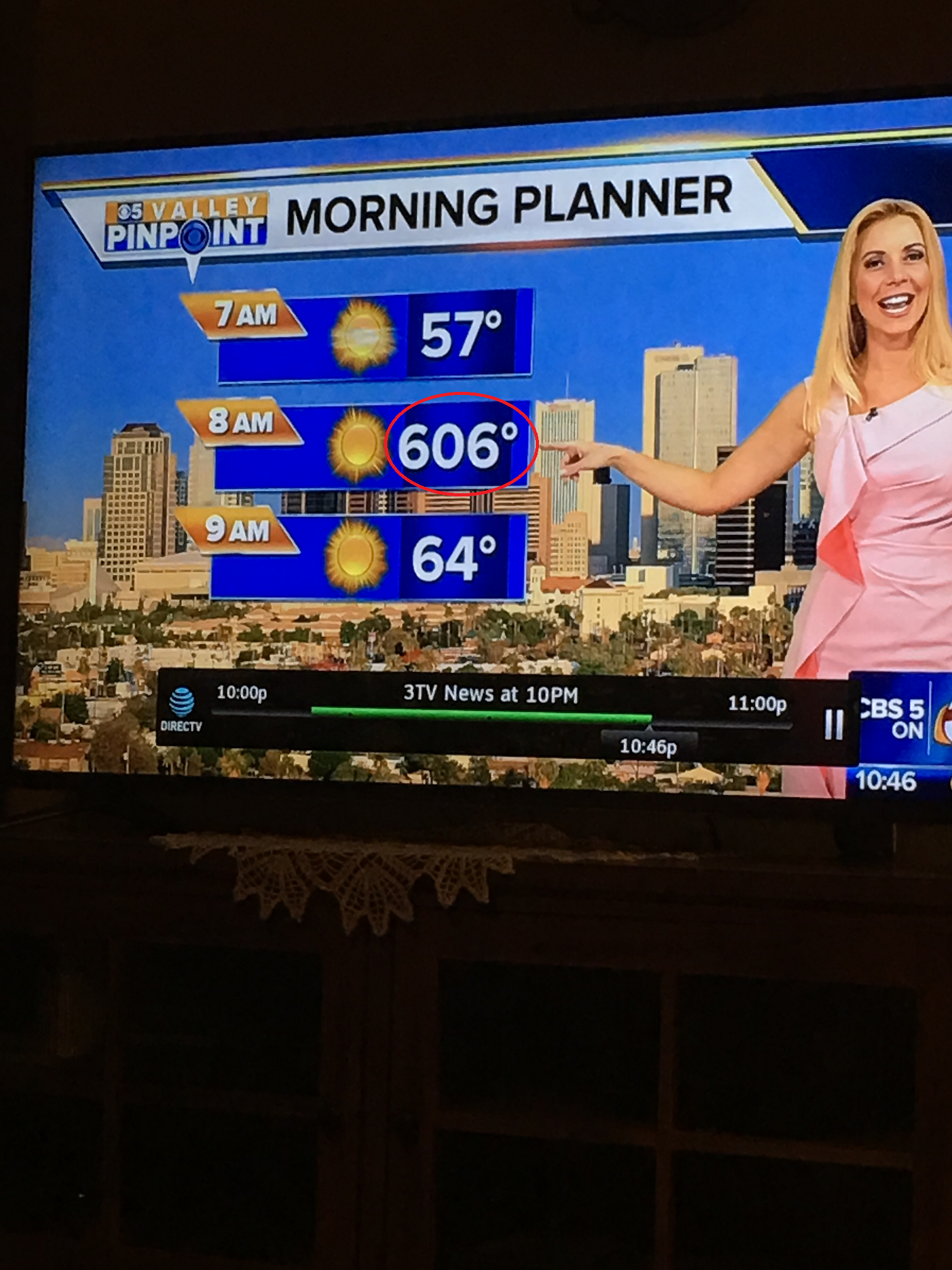
Once again my favorite news station gives me some material. The weather person realized the mistake, but couldn’t do anything about it. I’m thinking the temperature was supposed to be 60 degrees, but I guarantee the temperature shown is not a beautiful Arizona Spring day!
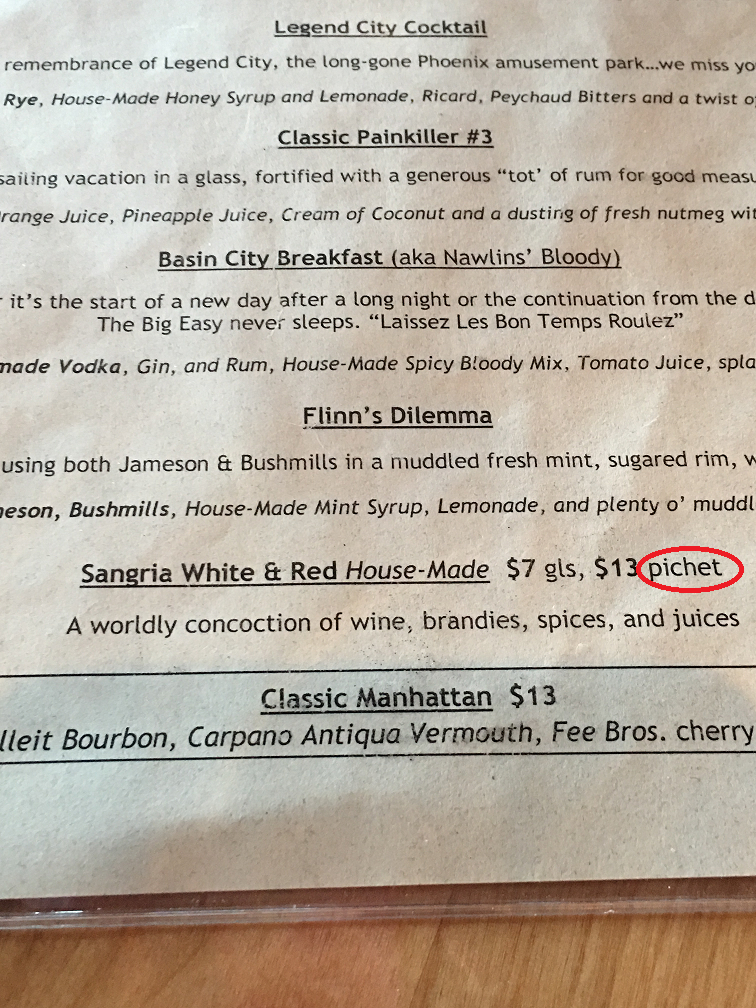
We found this error on a drink menu at a restaurant we recently visited. Perhaps if they’re going to abbreviate “glass” to be “gls,” they should abbreviate “pitcher” to be”pit.” That would at least fix this error.
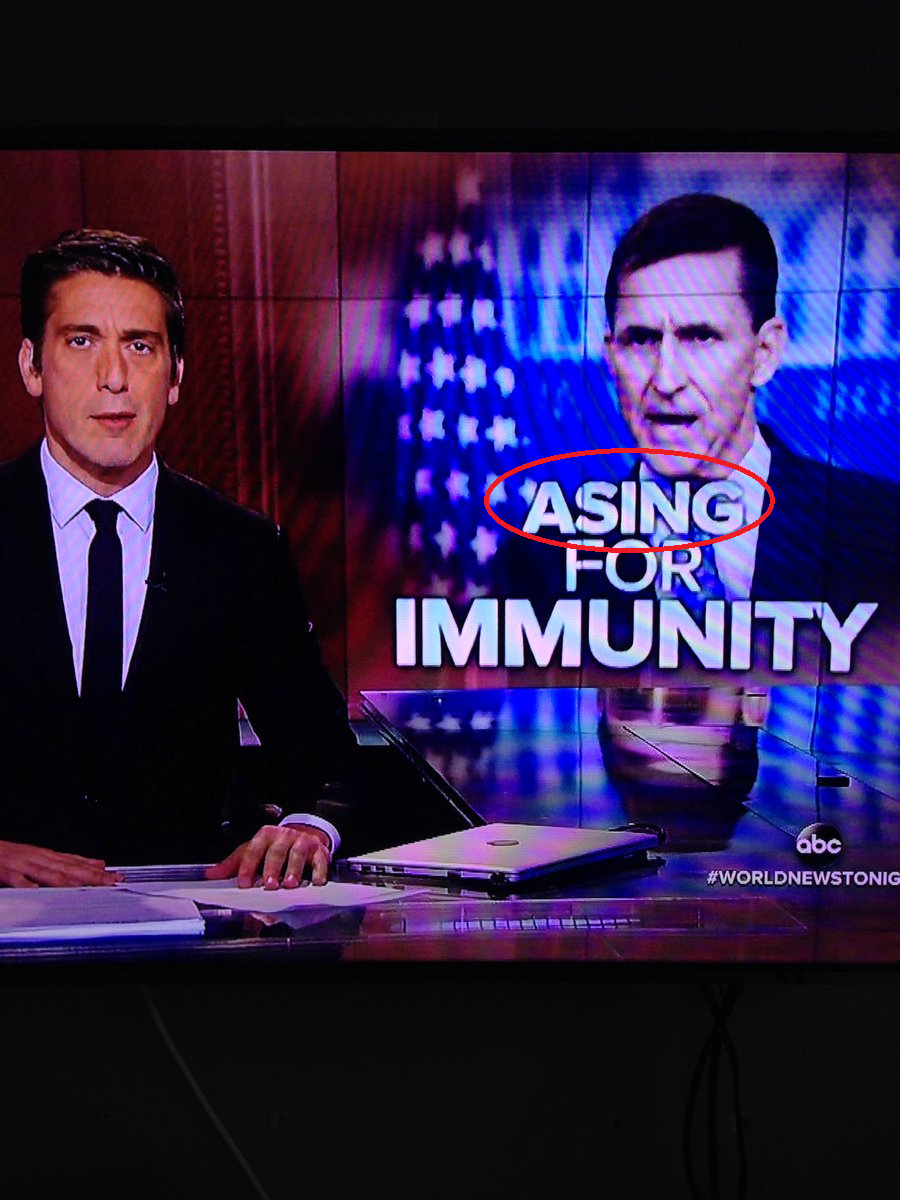
I found this one on Twitter. It should be ASKING for immunity. It is nice to know that it isn’t just my news station that has these kinds of errors.
I thought it would be helpful to post about my tips for the most effective and  efficient proofreading possible. Here are my tips:
As I’ve said before, taking the time to proofread everything going out the door is worth it. It makes your firm look good, your attorney look good, and you look good. I typically redline my suggested edits to someone else’s document and send it back to them for review. Never ever just make edits as you could change the entire meaning of a document by changing one word or phrase to what you think they meant to say when that isn’t what they meant to say at all. Always let the author make the decision on whether the edits should be made.
I hope this was helpful to you. If you have other tips for successful proofreading, please comment below. We can all learn from each other.
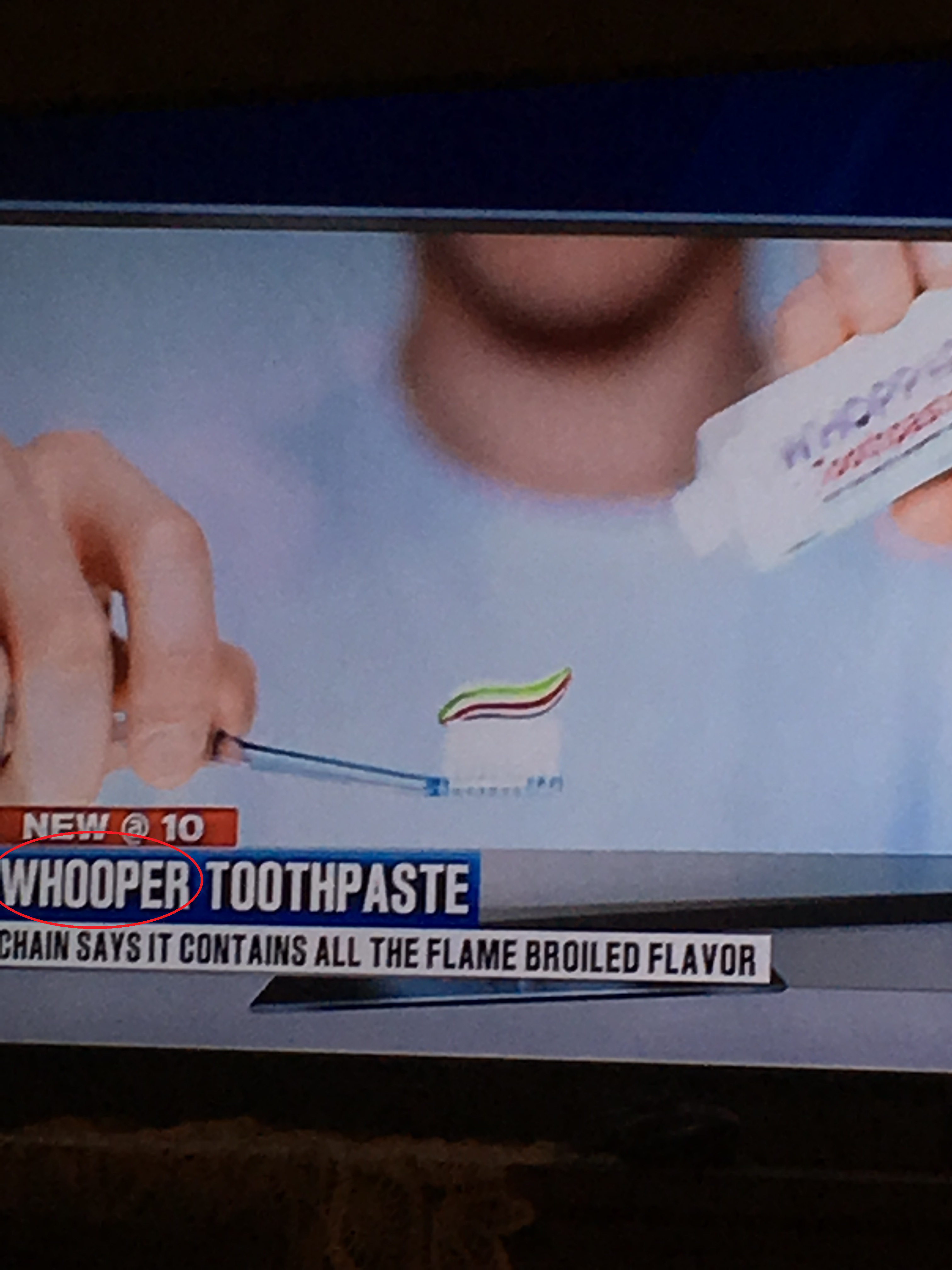
My news station of choice always keeps me in material. This time it was a story about Burger King’s plan to distribute toothpaste that tastes like a Whopper (it was an April Fool’s joke). While the name of the toothpaste here is correct, the headline on the screen is not. Whoops . . . I mean Whooper!
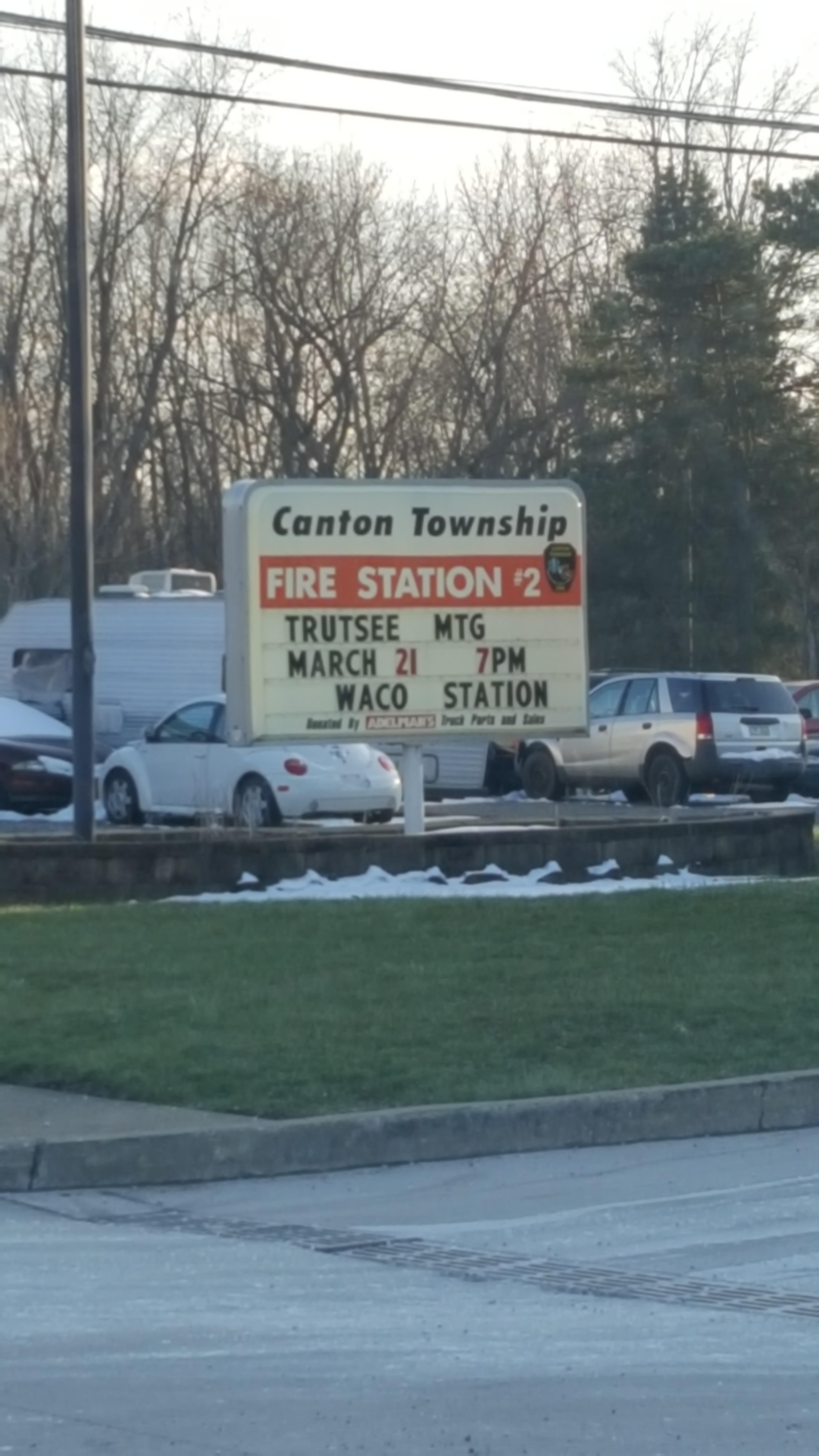
A loyal Proof That follower sent this to me. She says that the word “trustee” is spelled correctly on the reverse side of the sign.
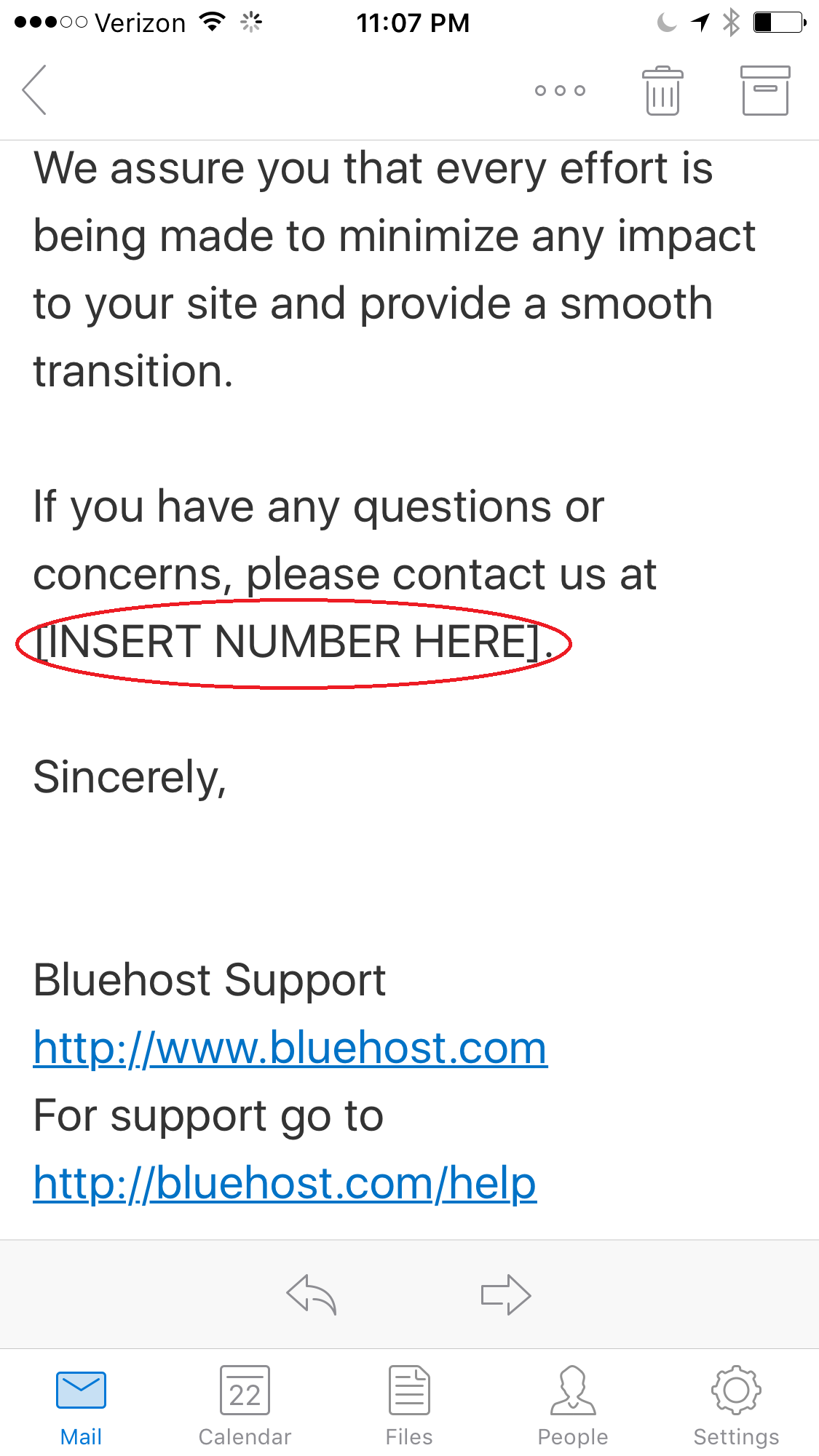
I recently received a email from Bluehost which I actually read. I found this at the end of the email. I regularly see this as “Dear [INSERT NAME HERE],” but I don’t usually see it for the sender’s own phone number.
 Follow